

Written by Dr. med. Hind Hlali
German-licensed, board-certified specialist physician. Not a booking agency.
Stem Cell Treatment in Germany: Options and Cost
A physician-led guide to blood stem cell transplantation, donor options, recovery, costs and international patient coordination.
Table of Contents
- What Stem Cell Treatment Means
- Diseases and Indications
- Autologous Transplantation
- Allogeneic Transplantation
- Donor Matching
- Conditioning
- Engraftment and Recovery
- Graft-Versus-Host Disease
- Risks and Complications
- Treatment Timeline
- Options and Cost
- Second Opinion
- International Patients
- USA Patients
- Gulf / GCC Patients
- Doctors and Transplant Centers
- Germany vs Switzerland
- Other Stem Cell Uses
- Documents to Prepare
- How Coordination Works
- FAQ
- Sources
Stem Cell Treatment in Germany is most firmly established in hematology through blood stem cell transplantation for selected blood cancers and blood disorders. Patients may receive their own stem cells or cells from a donor, depending on the diagnosis and treatment strategy.
This guide explains the medical pathway, major transplant types, donor matching, conditioning, early recovery, costs, international planning and the difference between established blood stem cell transplantation and other stem-cell-based interventions.
For international patients, Stem Cell Treatment in Germany should be planned around the diagnosis, current disease status and complete hematology record.
Families considering Stem Cell Treatment in Germany should understand both the medical pathway and the practical recovery period.
What Stem Cell Treatment in Germany Usually Means
The phrase Stem Cell Treatment in Germany can refer to very different medical procedures, so the diagnosis matters from the beginning. In established hematology and oncology, the best-known example is hematopoietic stem cell transplantation, also called blood stem cell transplantation. It is used for selected leukemias, lymphomas, multiple myeloma, myelodysplastic syndromes and other blood disorders when the expected benefit justifies the intensity of treatment.
Blood-forming stem cells are able to rebuild the bone marrow and restore the production of red blood cells, white blood cells and platelets after intensive treatment. Depending on the disease, the cells may come from the patient or from a donor. The transplant is therefore part of a complete hematology treatment strategy rather than a stand-alone infusion.
Stem Cell Treatment in Germany should always be interpreted according to the exact medical indication. A patient seeking treatment for leukemia is considering a very different pathway from a patient searching online for regenerative injections for joint, neurological or general wellness indications. This article focuses first on established hematopoietic stem cell transplantation and then explains how to approach other stem-cell-based treatment claims carefully.
A specialist review of Stem Cell Treatment in Germany can clarify transplant type, timing, donor strategy and follow-up requirements.
The treatment plan for Stem Cell Treatment in Germany varies according to disease, transplant type, conditioning and individual health.
What Blood Stem Cells Do
Blood stem cells are found primarily in the bone marrow and can develop into the major blood-cell lineages needed for oxygen transport, immune defense and clotting. These cells continuously support normal blood formation throughout life. When the bone marrow is severely damaged by disease or intentionally suppressed by high-dose treatment, replacing blood-forming stem cells can allow recovery of normal hematopoiesis.
The cells used for transplantation may be collected from peripheral blood, bone marrow or, in selected circumstances, cord blood. Peripheral blood is a common source because stem cells can be mobilized from the marrow into the bloodstream and collected through apheresis. The source selected depends on the disease, donor situation and transplant strategy.
Understanding this biology helps explain why Stem Cell Treatment in Germany for blood cancers is not simply an injection designed to “regenerate” tissue. The transplant is integrated with disease control, conditioning therapy, infection prevention, donor matching when needed and long-term follow-up.
Families considering Stem Cell Treatment in Germany should understand both the medical pathway and the practical recovery period.
Medical records are central to evaluating Stem Cell Treatment in Germany because transplant recommendations depend on the complete disease history.
Which Diseases May Be Treated With Hematopoietic Stem Cell Transplantation?
Hematopoietic stem cell transplantation is used most commonly for selected diseases of the blood and immune system. Indications can include acute leukemias, certain chronic leukemias, myelodysplastic syndromes, selected lymphomas, multiple myeloma and some non-malignant hematologic or immune disorders. The exact role differs by diagnosis and disease risk.
For some patients, transplantation is considered after a relapse or after standard treatment has not produced durable control. In other conditions, transplant may be incorporated earlier because the disease carries a high risk of recurrence. Disease genetics, response to initial treatment, age, organ function and general condition all influence the treatment pathway.
A review of Stem Cell Treatment in Germany should therefore start with the hematologic diagnosis and the reason transplantation is being considered. The question is not simply whether transplant exists, but whether it fits the current disease situation and how it compares with other available treatments.
The treatment plan for Stem Cell Treatment in Germany varies according to disease, transplant type, conditioning and individual health.
For international patients, Stem Cell Treatment in Germany should be planned around the diagnosis, current disease status and complete hematology record.
Autologous Stem Cell Transplantation
Autologous transplantation uses the patient’s own blood stem cells. The cells are collected and stored before high-dose treatment, then returned afterward to restore bone-marrow function. This approach is commonly used in selected patients with multiple myeloma and certain lymphomas.
Because the cells come from the patient, there is no graft-versus-host disease from donor immune cells. However, the patient still undergoes intensive treatment and can experience significant infection risk, low blood counts, mucositis, fatigue and other complications during recovery. The transplant unit therefore provides close monitoring and supportive care.
For patients researching Stem Cell Treatment in Germany, autologous transplantation should be understood as part of a defined hematology protocol. Collection, conditioning, infusion and recovery are linked phases rather than separate optional services.
Medical records are central to evaluating Stem Cell Treatment in Germany because transplant recommendations depend on the complete disease history.
A specialist review of Stem Cell Treatment in Germany can clarify transplant type, timing, donor strategy and follow-up requirements.
Allogeneic Stem Cell Transplantation
Allogeneic transplantation uses blood stem cells from another person. This can be a matched sibling, an unrelated donor identified through donor registries, or in selected situations a partially matched family donor. The donor’s immune system can contribute an anti-cancer effect against remaining malignant cells, which is one reason allogeneic transplantation is used in several high-risk blood cancers.
The same donor immune system can also attack healthy tissues in the recipient, leading to graft-versus-host disease. This complication can affect the skin, gastrointestinal tract, liver and other organs and may require immunosuppressive treatment. Infection prevention and long-term monitoring are therefore particularly important after allogeneic transplantation.
Stem Cell Treatment in Germany involving an allogeneic transplant requires careful donor evaluation, HLA matching, pre-transplant assessment and a structured follow-up plan. International patients should understand that the treatment continues well beyond the day the stem cells are infused.
For international patients, Stem Cell Treatment in Germany should be planned around the diagnosis, current disease status and complete hematology record.
Families considering Stem Cell Treatment in Germany should understand both the medical pathway and the practical recovery period.
Donor Matching and HLA Typing
Donor matching is based largely on human leukocyte antigen characteristics. HLA markers help the immune system distinguish self from foreign tissue. A close match can reduce some transplant complications and influences donor selection together with age, health, donor availability and other clinical factors.
The search often begins with siblings because a full sibling may be a suitable match. If no family donor is available, transplant centers can search national and international donor registries. Modern transplant strategies also make partially matched family donors relevant for selected patients.
For international patients exploring Stem Cell Treatment in Germany, existing donor-testing results should be included in the medical file. If no donor search has begun, the transplant center can clarify what testing is needed and how the search fits into the expected treatment timeline.
A specialist review of Stem Cell Treatment in Germany can clarify transplant type, timing, donor strategy and follow-up requirements.
The treatment plan for Stem Cell Treatment in Germany varies according to disease, transplant type, conditioning and individual health.
Conditioning Before Transplantation
Before stem cells are infused, patients usually receive a conditioning regimen. This can involve high-dose chemotherapy and, in selected settings, radiation. Conditioning helps control the underlying disease and creates space and immune conditions that allow the transplanted cells to establish themselves in the bone marrow.
The intensity of conditioning is individualized. Some patients receive myeloablative regimens, while others may receive reduced-intensity conditioning. The choice reflects disease characteristics, age, organ function, previous treatment and transplant goals.
Conditioning is one of the reasons Stem Cell Treatment in Germany requires experienced transplant-center care. The medical risk comes not only from the stem-cell infusion but also from the intensive treatment surrounding transplantation and the vulnerable period before blood counts recover.
Families considering Stem Cell Treatment in Germany should understand both the medical pathway and the practical recovery period.
Medical records are central to evaluating Stem Cell Treatment in Germany because transplant recommendations depend on the complete disease history.
The Day of Stem Cell Infusion
The stem-cell infusion itself is often technically similar to a blood transfusion. The collected cells are delivered through a central venous line while the patient is monitored. For families, this can feel surprisingly straightforward compared with the long preparation that occurs before the infusion.
The critical phase follows afterward. The transplanted cells need time to reach the bone marrow and begin producing new blood cells. During this period, white blood cells, platelets and red blood cells can remain very low, increasing the risk of infection, bleeding and anemia.
A complete explanation of Stem Cell Treatment in Germany should therefore avoid presenting the infusion day as the entire treatment. Engraftment, infection prevention, transfusion support and recovery are essential parts of the pathway.
The treatment plan for Stem Cell Treatment in Germany varies according to disease, transplant type, conditioning and individual health.
For international patients, Stem Cell Treatment in Germany should be planned around the diagnosis, current disease status and complete hematology record.
Engraftment and Early Recovery
Engraftment refers to the point at which transplanted stem cells begin producing sufficient new blood cells. The timing varies according to the type of transplant, cell source and individual patient. Blood counts are monitored closely to determine whether recovery is progressing as expected.
During this vulnerable period, patients may require antibiotics, antifungal or antiviral medicines, blood or platelet transfusions, nutritional support and management of treatment-related side effects. Protective measures are used to reduce exposure to infection.
International patients considering Stem Cell Treatment in Germany should plan for this early recovery period rather than assuming they can fly home immediately after the infusion. The transplant center determines when discharge and travel are medically appropriate.
Medical records are central to evaluating Stem Cell Treatment in Germany because transplant recommendations depend on the complete disease history.
A specialist review of Stem Cell Treatment in Germany can clarify transplant type, timing, donor strategy and follow-up requirements.
Graft-Versus-Host Disease
Graft-versus-host disease can occur after allogeneic transplantation when donor immune cells recognize the recipient’s tissues as foreign. Acute and chronic forms can affect different organs and vary from mild to severe. Preventive medication is used, but the condition can still develop despite careful donor matching.
Symptoms can involve the skin, digestive tract, liver, eyes, mouth, lungs or other organs depending on the form and severity. Patients need clear instructions about symptoms that require prompt assessment. Treatment may involve corticosteroids or other immune-modulating medicines.
For allogeneic Stem Cell Treatment in Germany, long-term follow-up for graft-versus-host disease is a major part of care. Families should know which team will manage complications after the patient returns home and how communication with the German transplant center will continue.
For international patients, Stem Cell Treatment in Germany should be planned around the diagnosis, current disease status and complete hematology record.
Families considering Stem Cell Treatment in Germany should understand both the medical pathway and the practical recovery period.
Infection Risk and Immune Recovery
Transplantation temporarily weakens immune protection. Low white blood-cell counts, conditioning therapy, immunosuppressive medicines and graft-versus-host disease can all contribute to infection risk. Prevention strategies may include protective medication, hygiene measures and close monitoring.
Immune recovery continues after blood counts first improve. Following allogeneic transplantation, this process can take many months. Patients may need a structured revaccination schedule because previous vaccine protection can be reduced or lost after transplantation.
Stem Cell Treatment in Germany therefore requires a follow-up plan that extends beyond the hospital stay. International patients should receive written guidance on infection precautions, medications, vaccinations and when to seek urgent medical care.
A specialist review of Stem Cell Treatment in Germany can clarify transplant type, timing, donor strategy and follow-up requirements.
The treatment plan for Stem Cell Treatment in Germany varies according to disease, transplant type, conditioning and individual health.
Risks and Complications
Stem cell transplantation can offer major benefit in appropriately selected patients, but it is an intensive therapy with real risks. Complications can include severe infection, bleeding, organ toxicity, graft-versus-host disease after allogeneic transplant, failure of the graft to establish, and relapse of the underlying disease.
Risk depends on the diagnosis, disease status, transplant type, donor match, conditioning intensity, age, general health and previous treatment. This is why transplant recommendations are individualized rather than based on one universal protocol.
Patients considering Stem Cell Treatment in Germany should receive a clear explanation of the expected benefits and risks in their own situation. A general success percentage from another disease or patient group is not an adequate substitute for individualized counseling.
Families considering Stem Cell Treatment in Germany should understand both the medical pathway and the practical recovery period.
Medical records are central to evaluating Stem Cell Treatment in Germany because transplant recommendations depend on the complete disease history.
Fertility and Long-Term Health Considerations
High-dose treatment used before transplantation can affect fertility. For patients of reproductive age, fertility preservation may be discussed before treatment when the disease and timeline allow it. Options can include sperm, egg or embryo preservation depending on the individual situation.
Long-term follow-up may also address bone health, endocrine function, cardiovascular risk, secondary cancers and persistent immune complications. These issues do not affect every patient in the same way, but they are part of survivorship care after intensive hematologic treatment.
A discussion of Stem Cell Treatment in Germany should therefore include not only the immediate transplant but also long-term recovery, rehabilitation and health monitoring.
The treatment plan for Stem Cell Treatment in Germany varies according to disease, transplant type, conditioning and individual health.
For international patients, Stem Cell Treatment in Germany should be planned around the diagnosis, current disease status and complete hematology record.
Age, Fitness and Transplant Eligibility
Chronological age is only one element in transplant assessment. Organ function, frailty, disease biology, response to treatment and other health conditions can be equally important. Reduced-intensity approaches have expanded transplant possibilities for some older patients who would not tolerate more intensive conditioning.
Pre-transplant assessment may include heart and lung testing, kidney and liver function, infection screening, dental evaluation and a review of medications. The purpose is to understand treatment risk and identify problems that can be addressed before transplant.
For patients seeking Stem Cell Treatment in Germany, the medical file should include recent laboratory results and information about other significant health conditions so the receiving center can understand the overall clinical picture.
Medical records are central to evaluating Stem Cell Treatment in Germany because transplant recommendations depend on the complete disease history.
A specialist review of Stem Cell Treatment in Germany can clarify transplant type, timing, donor strategy and follow-up requirements.
A Realistic Treatment Timeline
The timeline varies significantly between autologous and allogeneic transplantation. Autologous treatment requires stem-cell collection, disease control, conditioning, infusion and recovery. Allogeneic transplantation also includes donor identification and coordination, which can add time.
After transplantation, the duration of inpatient care depends on blood-count recovery, infection risk and complications. Follow-up remains intensive after discharge, particularly after an allogeneic transplant. Some international patients need to remain near the treating center for a period even after leaving the hospital.
Planning Stem Cell Treatment in Germany should therefore begin with the medical timeline. Flights, accommodation and family arrangements should follow the transplant schedule rather than determine it.
For international patients, Stem Cell Treatment in Germany should be planned around the diagnosis, current disease status and complete hematology record.
Families considering Stem Cell Treatment in Germany should understand both the medical pathway and the practical recovery period.
Stem Cell Treatment in Germany: Options and Cost
The cost of Stem Cell Treatment in Germany varies widely because transplantation is not one standardized hospital episode. The total may include diagnostic assessment, donor search and HLA typing when needed, stem-cell collection, conditioning, hospital admission, transfusion support, medicines, treatment of complications and extended follow-up.
Allogeneic transplantation is generally more complex than autologous transplantation because donor coordination, immune suppression and graft-versus-host monitoring are involved. The final hospital estimate also depends on the diagnosis, expected length of stay and whether complications require additional treatment.
Euro Medical Expertise does not set hospital treatment prices. For self-paying international patients, a meaningful estimate should come after the medical file has been reviewed and the treating center has defined the expected pathway.
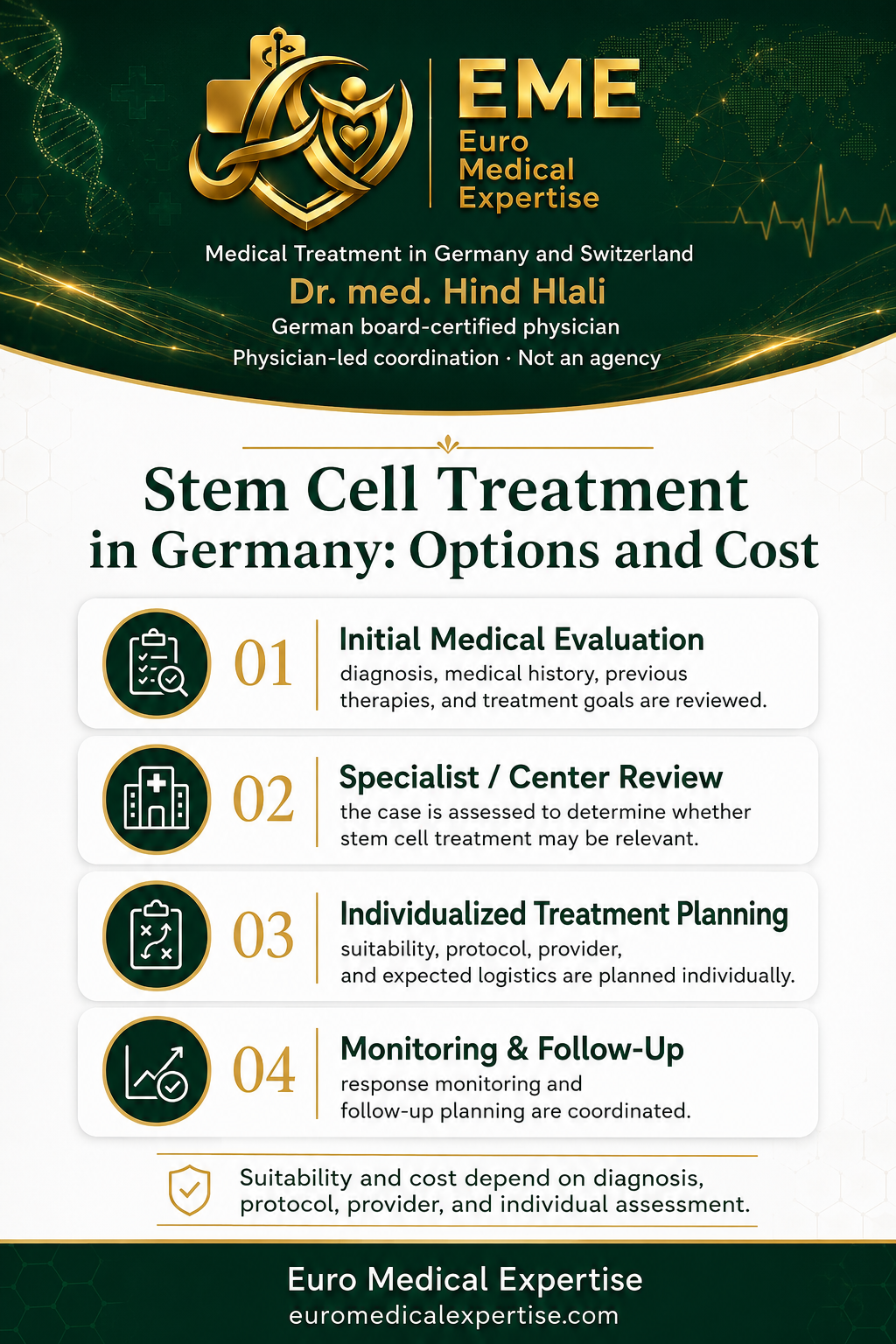
The infographic below summarizes the main medical and planning factors that may shape Stem Cell Treatment in Germany, from individual case evaluation and transplant relevance to specialist coordination, treatment planning, follow-up and cost considerations.
| No. | Cost Component | What Influences It? |
|---|---|---|
| 1 | Specialist and diagnostic review | Diagnosis, pathology, bone-marrow review and molecular testing |
| 2 | HLA typing and donor search | Required mainly for allogeneic transplantation |
| 3 | Stem-cell collection | Autologous collection or donor-related procedures |
| 4 | Conditioning treatment | Intensity, chemotherapy and possible radiation |
| 5 | Inpatient transplant stay | Transplant type, recovery time and protective care |
| 6 | Supportive medicines and transfusions | Infection prevention, blood counts and complications |
| 7 | Follow-up after discharge | Allogeneic monitoring, graft-versus-host disease and immune recovery |
This table explains cost components rather than quoting a universal package price. A meaningful hospital estimate depends on the patient’s diagnosis and expected transplant pathway.
A specialist review of Stem Cell Treatment in Germany can clarify transplant type, timing, donor strategy and follow-up requirements.
The treatment plan for Stem Cell Treatment in Germany varies according to disease, transplant type, conditioning and individual health.
Second Opinion Before Stem Cell Transplantation
A second opinion can be particularly useful when the indication for transplant is uncertain, when different hematologists recommend different timing, or when the patient wants to understand whether autologous or allogeneic transplantation is being considered and why.
A second review can also clarify whether more disease-directed treatment is needed before transplantation, whether donor search should begin immediately, or whether another therapy may be appropriate before transplant.
Patients exploring Stem Cell Treatment in Germany can use a second medical opinion in Germany to understand the treatment pathway before making international travel arrangements.
Families considering Stem Cell Treatment in Germany should understand both the medical pathway and the practical recovery period.
Medical records are central to evaluating Stem Cell Treatment in Germany because transplant recommendations depend on the complete disease history.
Stem Cell Treatment in Germany for International Patients
International patients can often begin with remote medical-file review. Pathology, bone-marrow reports, molecular testing, previous treatment summaries, recent imaging where relevant and laboratory results help the hematology team understand the case before travel.
If an allogeneic transplant is being considered, donor information and any previous HLA testing should also be shared. Patients who already have a family donor should include the available compatibility results. If no donor search has begun, the center can clarify the next steps.
International Stem Cell Treatment in Germany requires more planning than a short consultation because transplant recovery can extend over weeks or months. Families should consider accommodation, a support person, medication access and long-term follow-up with physicians in the home country.
The treatment plan for Stem Cell Treatment in Germany varies according to disease, transplant type, conditioning and individual health.
For international patients, Stem Cell Treatment in Germany should be planned around the diagnosis, current disease status and complete hematology record.
Patients From the USA
US patients may seek a German transplant opinion when they want another assessment of transplant timing, donor strategy, conditioning approach or treatment sequence. The purpose of international review is not to assume that Germany is automatically better, but to determine whether a specific German center offers relevant disease-specific expertise.
Travel plans should be made only after the center confirms the purpose and expected schedule of the visit. Insurance coverage for planned treatment abroad should be clarified in writing, especially when the patient expects reimbursement for an intensive inpatient procedure.
For US patients, Stem Cell Treatment in Germany may begin with a remote second opinion and proceed to travel only when the medical pathway is sufficiently clear.
Medical records are central to evaluating Stem Cell Treatment in Germany because transplant recommendations depend on the complete disease history.
A specialist review of Stem Cell Treatment in Germany can clarify transplant type, timing, donor strategy and follow-up requirements.
Patients From Saudi Arabia, UAE and the Gulf
Patients from Saudi Arabia, the UAE, Qatar, Kuwait, Bahrain and Oman often seek treatment in Germany for complex hematology conditions. Medical records should ideally be reviewed before visa and travel arrangements are finalized because transplant timing can depend on disease status and donor availability.
Families should prepare pathology, bone-marrow reports, genetic or molecular testing, previous chemotherapy records, current laboratory results and medication lists. For allogeneic transplantation, donor-testing information should be included when available.
Stem Cell Treatment in Germany for Gulf patients may require an extended stay, particularly when the patient needs donor transplantation and close post-transplant monitoring. Accommodation and family support should therefore be planned realistically.
For international patients, Stem Cell Treatment in Germany should be planned around the diagnosis, current disease status and complete hematology record.
Choosing Doctors and Transplant Centers in Germany
The most important factor is disease-specific hematology and transplant expertise. Patients should look for a center experienced in the exact transplant type and diagnosis rather than selecting solely by general hospital reputation.
The site’s guide to best doctors and surgeons in Germany can help explain how specialist selection works. For blood stem-cell transplantation, hematology and transplant-team experience are usually more relevant than a general surgeon ranking.
Stem Cell Treatment in Germany benefits from multidisciplinary support including hematology, infectious disease, intensive care, laboratory medicine, transfusion medicine, nursing, psycho-oncology and rehabilitation.
A specialist review of Stem Cell Treatment in Germany can clarify transplant type, timing, donor strategy and follow-up requirements.
Germany vs Switzerland for Stem Cell Treatment
Germany and Switzerland both have advanced hematology and oncology services. The choice should depend on diagnosis, transplant expertise, donor access, treatment pathway, cost, insurance and the practical needs of the patient rather than on country reputation alone.
Patients can read the Germany vs Switzerland medical treatment comparison and the guide to best doctors and surgeons in Switzerland when comparing destinations.
For Stem Cell Treatment in Germany, transplant-center experience and the exact hematologic indication should remain more important than a broad country comparison.
Families considering Stem Cell Treatment in Germany should understand both the medical pathway and the practical recovery period.
What About Stem Cell Treatments Outside Hematology?
Patients also encounter stem-cell-based treatments marketed for orthopedic, neurological, anti-aging or other conditions. These applications are not equivalent to established blood stem-cell transplantation. Some are being studied in clinical research, while others may not have established evidence for routine use.
The medical question should be specific: which cells are used, what condition is being treated, what clinical evidence supports the intervention and what regulatory pathway applies. A general claim that “stem cells can regenerate tissue” is not enough to establish that a particular treatment is appropriate.
When patients ask about Stem Cell Treatment in Germany outside hematology, a specialist review should first clarify whether the proposed approach is part of established care, a clinical study or another regulated medical pathway.
The treatment plan for Stem Cell Treatment in Germany varies according to disease, transplant type, conditioning and individual health.
Documents to Prepare
A well-organized medical file can speed up review. Useful records can include pathology, bone-marrow biopsy reports, flow cytometry, cytogenetic and molecular testing, treatment summaries, discharge letters, recent laboratory results, current medication and relevant imaging.
For patients considered for allogeneic transplantation, HLA typing and donor information should be added when available. If a relative has already been tested, those results can help the transplant center understand the donor situation.
Preparing these records before requesting Stem Cell Treatment in Germany makes the first specialist assessment more focused and reduces delays caused by missing information.
Medical records are central to evaluating Stem Cell Treatment in Germany because transplant recommendations depend on the complete disease history.
How Coordination Works
The process begins with medical-file review to understand diagnosis, disease status, previous treatment and the reason transplantation is being considered. Relevant records are then directed to an appropriate hematology or transplant center for specialist assessment.
Once the expected pathway is clear, practical coordination can include hospital communication, estimates, appointment scheduling, travel planning and family support. For allogeneic transplantation, donor-related documentation may also need to be coordinated.
Physician-led support for Stem Cell Treatment in Germany is intended to connect the medical review with the appropriate specialist and treatment center while helping the patient understand the practical steps involved.
For international patients, Stem Cell Treatment in Germany should be planned around the diagnosis, current disease status and complete hematology record.
Why Physician-Led Coordination Matters
Stem cell transplantation is a complex hematology treatment, not a simple booking request. The diagnosis, disease response, donor strategy, transplant type and timing all influence which center and specialist are appropriate.
I personally review the medical file, provide medical explanation and support, and coordinate the case with an appropriate specialist or treatment center based on the patient’s individual medical situation. This helps organize Stem Cell Treatment in Germany around the medical needs of the case rather than around hospital availability alone.
Learn more about professional medical coordination by a medical specialist in Germany and about Dr. Hind.
A specialist review of Stem Cell Treatment in Germany can clarify transplant type, timing, donor strategy and follow-up requirements.
How a Transplant Case Is Reviewed
A transplant consultation begins by reconstructing the patient’s disease course. The hematology team reviews the original diagnosis, risk classification, response to each treatment and current disease status. For leukemia, this can include bone-marrow findings, cytogenetics, molecular markers and measurable residual disease. For lymphoma or myeloma, imaging, protein markers and previous treatment response may be relevant.
The purpose is to understand why transplantation is being considered now. Some patients are referred in remission to reduce relapse risk, while others are referred after relapse to consolidate a new response. The timing can influence both transplant risk and the likelihood of durable disease control.
Stem Cell Treatment in Germany is therefore best discussed with a chronological treatment summary rather than isolated test results. A concise timeline helps specialists identify what information is missing and what should happen next.
Families considering Stem Cell Treatment in Germany should understand both the medical pathway and the practical recovery period.
Psychological Support During Transplantation
Stem cell transplantation can be emotionally demanding. Patients may spend long periods in protective hospital environments, experience uncertainty while waiting for engraftment and worry about infection, relapse or complications. Family members also carry a significant emotional and practical burden.
Psycho-oncology, social work and structured family communication can help patients prepare for the intensity of treatment. Asking for psychological support is compatible with active medical treatment and can improve coping during a prolonged recovery.
For international patients undergoing Stem Cell Treatment in Germany, language, distance from home and unfamiliar hospital routines can add stress. Planning communication and family support before admission can make the treatment period more manageable.
The treatment plan for Stem Cell Treatment in Germany varies according to disease, transplant type, conditioning and individual health.
Nutrition and Physical Recovery
Nutrition can become challenging during conditioning and early recovery because nausea, mouth sores, altered taste, diarrhea and reduced appetite are common after intensive treatment. Transplant teams monitor weight, hydration and nutritional intake and may provide specialist dietary support.
Food-safety precautions can also become important when immune defenses are low. The transplant center provides specific guidance according to the patient’s immune status and local protocol. Patients should follow center-specific instructions rather than generic online lists.
Physical activity is usually reintroduced gradually as recovery progresses. Fatigue and muscle loss can persist after hospitalization, so rehabilitation and appropriate movement may support functional recovery after Stem Cell Treatment in Germany.
Medical records are central to evaluating Stem Cell Treatment in Germany because transplant recommendations depend on the complete disease history.
Vaccination After Stem Cell Transplantation
Previous vaccine protection can be lost or reduced after transplantation, particularly after allogeneic treatment. Patients often need a structured revaccination program once immune recovery has reached an appropriate stage.
The timing varies according to transplant type, graft-versus-host disease, immune-suppressing medication and the vaccines involved. The transplant center provides a schedule that can later be continued with the patient’s physicians at home.
International follow-up after Stem Cell Treatment in Germany should include written revaccination guidance so that the next medical team understands which vaccines are due and when they can be given safely.
For international patients, Stem Cell Treatment in Germany should be planned around the diagnosis, current disease status and complete hematology record.
Preparing to Return Home
Discharge from the transplant hospital does not mean recovery is complete. Patients may still require frequent blood tests, medication adjustments, infection monitoring and specialist review. Before an international patient leaves Germany, the follow-up plan should be documented clearly.
The discharge summary should include the transplant type, donor information when relevant, current medication, infection-prevention plan, blood-count trends, complications and upcoming appointments. The home hematologist should receive enough information to continue monitoring safely.
Return travel after Stem Cell Treatment in Germany should be discussed with the treating team, particularly when the patient remains medically fragile or requires frequent review.
A specialist review of Stem Cell Treatment in Germany can clarify transplant type, timing, donor strategy and follow-up requirements.
When Urgent Medical Care Is Needed
After transplantation, fever can be an important sign of infection and may require urgent assessment. Other warning symptoms can include new breathing difficulty, uncontrolled bleeding, severe diarrhea, confusion, rapidly worsening rash or significant weakness. The transplant center provides individualized emergency instructions.
International patients should know where to seek urgent care while they remain in Germany and which hospital to contact after returning home. They should also carry a current medication list and transplant summary.
A good Stem Cell Treatment in Germany pathway includes emergency planning because complications can develop outside scheduled clinic appointments.
Families considering Stem Cell Treatment in Germany should understand both the medical pathway and the practical recovery period.
What Makes a Strong Transplant Program?
A transplant program depends on more than one physician. Experienced nursing, infection control, transfusion medicine, intensive care support, laboratory diagnostics, donor coordination, psycho-oncology and follow-up systems all contribute to patient care.
International transplant activity and registry participation can also support quality improvement by allowing centers to compare outcomes and contribute to broader clinical knowledge. Patients may ask about the center’s experience with their specific disease and transplant type.
When comparing hospitals for Stem Cell Treatment in Germany, the complete transplant infrastructure matters as much as the reputation of an individual specialist.
The treatment plan for Stem Cell Treatment in Germany varies according to disease, transplant type, conditioning and individual health.
Insurance and Self-Pay Planning
International private insurance may cover some or all of a transplant pathway depending on the policy and pre-authorization process. Patients should obtain written confirmation before assuming that an intensive inpatient treatment abroad will be reimbursed.
Self-paying patients should expect the hospital to review the medical file before issuing a meaningful estimate. Additional costs can arise if the hospital stay is longer than expected or if complications require extra treatment.
Financial planning for Stem Cell Treatment in Germany should therefore include both the initial hospital estimate and a realistic contingency for changes in the clinical course.
Medical records are central to evaluating Stem Cell Treatment in Germany because transplant recommendations depend on the complete disease history.
Stem Cell Transplantation for Leukemia
Leukemia is one of the major disease groups in which blood stem cell transplantation may become an important part of treatment. The role of transplant differs between acute myeloid leukemia, acute lymphoblastic leukemia, chronic leukemias and related disorders. Disease genetics, response to induction treatment and the risk of relapse are central to planning.
In some high-risk acute leukemias, an allogeneic transplant may be considered while the disease is in remission because donor immune cells can contribute an anti-leukemia effect. In other patients, continued chemotherapy or targeted treatment may be preferred until a different point in the disease course. The transplant plan is therefore linked closely to disease biology rather than to diagnosis alone.
Measurable residual disease can also influence planning. Sensitive laboratory methods may detect a small amount of leukemia that is not visible by conventional microscopy. The meaning of these findings varies according to the leukemia subtype and treatment context, but they can help the hematology team assess relapse risk and treatment sequence.
Patients seeking an international leukemia opinion should send the original bone-marrow reports, flow-cytometry findings, chromosome analysis, molecular results and a clear list of treatments already received. These documents allow the specialist to understand disease response and whether additional treatment is needed before transplantation is considered.
Stem Cell Transplantation for Lymphoma
Autologous transplantation is used in selected lymphoma settings, particularly when intensive chemotherapy is intended to consolidate a response after relapse. The patient’s own previously collected blood stem cells are returned after high-dose treatment so that bone-marrow function can recover.
Whether autologous transplantation remains appropriate depends on lymphoma subtype, previous therapy and response to salvage treatment. Modern targeted medicines, antibody-based therapies and cellular treatments have changed the sequence of care for several lymphoma types, so older treatment pathways cannot always be applied unchanged.
Allogeneic transplantation also has a role in selected lymphoma situations, especially when a donor immune effect is considered valuable or when other therapies have failed. Because allogeneic treatment carries different risks, the balance between potential benefit and transplant complications is discussed carefully.
International patients should include recent PET/CT or other relevant imaging, pathology review and complete systemic-treatment history. Knowing how the lymphoma responded to each line of therapy is often more useful than simply listing the drugs that were given.
Autologous Transplantation in Multiple Myeloma
Autologous blood stem cell transplantation remains an important treatment component for many medically suitable patients with multiple myeloma. It is generally used after initial therapy has reduced the disease burden and is integrated with modern induction and maintenance strategies.
The procedure allows the hematology team to deliver a high-dose treatment that would otherwise severely damage bone marrow. Previously collected stem cells are returned afterward to restore blood formation. This does not mean the stem cells themselves directly attack myeloma; they support recovery after intensive therapy.
Myeloma care continues after transplant. Maintenance treatment, laboratory monitoring and periodic assessment of disease markers may be recommended according to the patient’s risk profile and response. The transplant should therefore be viewed as one phase of a longer treatment pathway.
Patients traveling internationally should send serum and urine results, bone-marrow findings, cytogenetic or molecular risk information, imaging and a full treatment history. These records help the center understand whether the disease has responded adequately and what additional planning is needed.
Myelodysplastic Syndromes and Related Disorders
Myelodysplastic syndromes include a diverse group of bone-marrow disorders with different risks of progression and different treatment needs. Some patients can be monitored or treated with medicines for prolonged periods, while higher-risk disease may lead to discussion of allogeneic transplantation.
Risk assessment can incorporate blood counts, bone-marrow findings, chromosome changes, molecular abnormalities, transfusion needs and the percentage of immature cells. These factors help estimate the natural history of the disease and the urgency of treatment.
Allogeneic transplantation can offer the possibility of durable disease control in selected patients, but the treatment carries significant short- and long-term risks. Age, general health, donor availability and disease status all influence the discussion.
An international review should include the original marrow pathology, cytogenetic and molecular reports, complete blood-count trends and previous treatment. A single recent blood test is rarely enough to understand the full course of a marrow disorder.
Non-Malignant Blood and Immune Disorders
Blood stem cell transplantation is not limited to cancer. Selected inherited, immune, metabolic or bone-marrow-failure disorders can also be treated with transplantation when the expected benefit outweighs the risks. The indications and protocols differ substantially from those used in leukemia or lymphoma.
For these conditions, donor choice and transplant timing may be influenced by age, organ involvement, infection history and disease progression. Pediatric and adult transplant programs can have different areas of expertise depending on the diagnosis.
Families seeking international care for a rare non-malignant disorder should provide genetic testing, specialist reports and a detailed history of complications. Disease-specific expertise is particularly important because experience with one transplant indication does not automatically translate to another rare condition.
Peripheral Blood, Bone Marrow and Cord Blood
Blood-forming stem cells can come from several sources. Peripheral blood stem cells are collected from the bloodstream after medicines encourage stem cells to move from bone marrow into circulating blood. This approach is widely used for both autologous and allogeneic transplantation.
Bone-marrow donation involves collecting marrow from the pelvic bones under anesthesia. It remains useful in selected donor and disease settings. The choice between peripheral blood and bone marrow can affect engraftment speed and the pattern of immune complications, so the transplant team selects the source according to the clinical situation.
Cord blood is another source of hematopoietic stem cells and can be relevant in selected patients, particularly when a conventional matched donor is difficult to identify. Cell dose and immune characteristics make cord-blood transplantation a specialized option rather than a universal substitute for other donor sources.
The source of cells should be understood as part of transplant strategy rather than a simple preference. The disease, recipient characteristics, donor availability and center experience all contribute to the choice.
What Family Donors Should Expect
When a relative may be a suitable donor, the donor undergoes separate medical assessment. Donation is voluntary, and donor safety is evaluated independently from the recipient’s treatment needs. Testing confirms compatibility and checks whether donation can be performed safely.
Peripheral blood donation usually involves several days of a growth-factor medicine followed by apheresis. Temporary bone discomfort, headache or flu-like symptoms can occur. Bone-marrow donation is performed under anesthesia and can lead to short-term soreness around the collection site.
Families should understand that being willing to donate does not automatically make someone the preferred donor. Compatibility, age, health and disease-specific transplant strategy can all influence donor selection.
International families should not arrange donor travel before the transplant center confirms which relative requires testing and what documents are needed. This prevents unnecessary travel and repeated testing.
The Pre-Transplant Medical Workup
Before transplantation, the patient undergoes a detailed medical assessment. The transplant team needs to understand not only the underlying disease but also the condition of the heart, lungs, kidneys, liver and other organ systems that can be affected by intensive treatment.
Testing may include electrocardiography, echocardiography, lung-function assessment, infection screening, dental review and additional imaging or laboratory studies. The exact workup depends on the patient’s age, diagnosis, previous therapy and center protocol.
The purpose is to identify risks before treatment begins. An infection may need treatment, a medication may require adjustment or another medical problem may need stabilization. These steps help the team plan supportive care and determine the intensity of treatment.
For international patients, completing appropriate tests at home can sometimes reduce repetition, but the German center may still repeat specific investigations if current results or local documentation are required.
Central Venous Access and Daily Hospital Care
Many transplant patients require a central venous catheter because treatment involves frequent blood tests, intravenous medicines, transfusions and the stem-cell infusion itself. The line reduces repeated needle sticks but requires careful infection prevention.
Daily hospital care during the vulnerable period often includes blood-count monitoring, temperature checks, medication review and assessment for mouth sores, gastrointestinal symptoms, skin changes or other complications. Supportive care can change quickly depending on laboratory results and symptoms.
Patients and families should expect the transplant period to involve frequent adjustments rather than a fixed daily routine. This level of monitoring is one reason complex transplantation is performed in specialized centers.
Blood and Platelet Support During Recovery
Low red blood-cell and platelet counts are expected during parts of the transplant process. Patients may require transfusions while the bone marrow is not yet producing adequate cells. Blood-bank and transfusion-medicine support is therefore an important part of the transplant program.
The number of transfusions varies between patients. The transplant type, conditioning regimen, complications and speed of engraftment all influence blood-count recovery. Transfusion needs generally decrease as the new or returned stem cells begin producing blood cells reliably.
International patients do not need to arrange blood donors themselves for routine hospital care. The treating center manages transfusion support according to German medical standards and the patient’s clinical needs.
Medicines Before and After Transplantation
Medication regimens can become complex around transplantation. Patients may receive medicines to prevent bacterial, viral or fungal infections, control nausea, prevent graft-versus-host disease, protect organs or manage other treatment-related symptoms.
After allogeneic transplantation, immunosuppressive medication may continue for an extended period. Doses can change according to blood levels, kidney or liver function and the presence or absence of graft-versus-host disease. Patients should not adjust these medicines independently.
A complete medication list should accompany the patient during international travel. It should include doses, schedules, allergies and medicines taken for unrelated conditions such as diabetes, hypertension or anticoagulation.
Discharge From the Transplant Unit
Discharge depends on clinical stability rather than a fixed number of hospital days. The team looks at blood-count recovery, infection status, medication needs, nutrition, mobility and the patient’s ability to manage safely outside the inpatient unit.
Some patients remain close to the transplant center after discharge because they still require frequent outpatient visits. This is particularly common after allogeneic transplantation, when complications can develop even after the initial engraftment period.
International families should clarify whether nearby accommodation is expected and how often clinic visits are planned. A discharge date should not automatically be treated as the date the patient can fly home.
Chronic Graft-Versus-Host Disease and Long-Term Follow-Up
Chronic graft-versus-host disease can emerge later after allogeneic transplantation and may affect several organ systems. Symptoms can involve skin tightness or rash, dry eyes or mouth, liver abnormalities, lung problems, joint stiffness or gastrointestinal issues.
Long-term management can require specialist care and continued immune-modulating treatment. The condition varies widely in severity, and many patients require coordinated follow-up across several specialties.
International patients should know how chronic symptoms will be assessed after returning home and how their local physicians can communicate with the transplant center if treatment changes are needed.
What if the Disease Returns After Transplant?
Relapse remains possible after both autologous and allogeneic transplantation. The options after relapse depend on the disease, timing, previous treatment and the patient’s condition. Targeted medicines, chemotherapy, immunotherapy, donor-lymphocyte approaches, clinical trials or another transplant strategy may be considered in selected situations.
The possibility of relapse is why disease monitoring continues after transplant. Laboratory markers, bone-marrow assessment, imaging or measurable residual disease testing may be used according to the diagnosis.
A relapse does not lead to one universal next step. The hematology team reassesses the disease and available therapies based on current information rather than automatically repeating the previous treatment pathway.
Quality of Life During Recovery
Recovery can be uneven. Some patients regain strength relatively quickly, while others experience prolonged fatigue, sleep problems, appetite changes or emotional distress. These symptoms can affect return to work, travel and family roles even after blood counts have improved.
Rehabilitation, psycho-oncology, nutrition support and gradual physical activity can help patients rebuild function. The appropriate pace depends on immune recovery and complications, so advice should be individualized.
Families should plan for a recovery period rather than expecting the patient to return immediately to pre-treatment activity. Setting realistic expectations can reduce frustration and make practical planning easier.
Stem Cell Transplantation in Children
Pediatric transplantation is a specialized field with disease indications and supportive-care needs that differ from adult practice. Children may undergo transplantation for leukemias, inherited immune disorders, marrow-failure syndromes and selected metabolic or genetic conditions.
Pediatric centers consider growth, development, fertility, schooling and family support as part of long-term care. Parents may also need guidance on infection prevention, nutrition and the child’s gradual return to normal activities.
International pediatric cases should be directed to centers with specific experience in the child’s diagnosis. A general adult transplant program may not be the appropriate destination for a rare childhood condition.
Questions to Ask a Transplant Center
- Why is transplantation being considered at this point in the disease course?
- Is the proposed transplant autologous or allogeneic, and what is the reason for that choice?
- What disease status is preferred before transplant?
- If a donor is needed, what donor options are being considered?
- What conditioning intensity is planned?
- How long is the expected inpatient and nearby outpatient period?
- Which complications are most relevant to this individual case?
- How will graft-versus-host disease be prevented and monitored?
- What follow-up can be transferred to physicians in the home country?
- What documents and test results should be sent before travel?
- How are costs estimated for international self-paying patients?
- What happens if disease status changes before the planned transplant date?
A Practical International Case-Planning Checklist
Before contacting a German transplant center, organize the diagnosis and treatment history in chronological order. Include the original pathology, bone-marrow results, molecular findings and the dates and responses of each treatment. A concise medical summary can make specialist review faster and more focused.
If donor transplantation has already been discussed, include HLA typing and donor-search information. If no donor testing exists, do not delay the initial medical review solely to arrange it independently; the transplant team can clarify what is needed.
Check that recent blood tests and imaging are available and identify any current infections or significant medical problems. The treating center needs an accurate picture of the patient’s present condition, not only the condition at the time of the original diagnosis.
Finally, avoid booking non-refundable travel until the medical purpose and expected schedule are confirmed. International transplant pathways can change quickly when disease response, donor availability or clinical condition changes.
Long-Term Survivorship After Transplantation
Survivorship begins when the immediate transplant phase has ended, but follow-up can continue for years. Patients may need ongoing blood tests, specialist visits and screening for late effects related to previous chemotherapy, radiation, immune suppression or graft-versus-host disease. The pattern of follow-up depends on transplant type and the patient’s complications.
Cardiovascular health, bone density, endocrine function, fertility and secondary cancer screening may all become relevant over time. Some patients also need prolonged respiratory, dermatologic, ophthalmologic or gastrointestinal review. These needs are usually organized according to the patient’s individual history rather than through one universal schedule.
Long-term care should also address work, family responsibilities and return to normal routines. Patients often need time to rebuild stamina and confidence after an extended period of hospitalization and immune vulnerability. Social and psychological support can be valuable even when the cancer itself is under good control.
International patients benefit from receiving a written survivorship plan that can be shared with physicians at home. This helps clarify which tests are required, which medicines continue, when vaccinations should be given and which symptoms require specialist reassessment.
Returning to Work, Travel and Daily Life
Return to work varies greatly. Some patients can resume limited activity within months, while others need a longer period because of fatigue, immune suppression or complications. Work involving crowds, infection exposure or heavy physical activity may require additional caution during early recovery.
Travel should be discussed with the treating team, particularly after allogeneic transplantation. Long flights, crowded environments and limited access to emergency hematology care can be relevant when immune recovery is incomplete. Medication supplies and written medical records should accompany the patient.
Daily routines such as shopping, exercise, social contact and household activities usually expand gradually. Patients are often encouraged to rebuild activity as tolerated while following infection-prevention guidance from the transplant team. Recovery is rarely linear, and temporary setbacks do not necessarily indicate a major medical problem.
Supporting Family Members and Caregivers
Caregivers often manage transportation, medication schedules, meals, appointments and communication with multiple clinical teams. This responsibility can become demanding during an extended transplant journey, especially when the family is living temporarily in another country.
Clear written instructions reduce uncertainty. Families should know which symptoms require urgent medical contact, how medication changes are communicated and which appointments are essential. A single point of contact within the treating center can make international coordination much easier.
Caregivers also need rest and support. Burnout can affect the whole family when one person carries every practical responsibility. Social-work and psycho-oncology teams can sometimes help families plan accommodation, communication and emotional support during treatment.
Clinical Trials Around Stem Cell Transplantation
Clinical research continues to refine donor selection, conditioning intensity, graft-versus-host prevention, infection management and relapse prevention after transplantation. Some patients may be offered participation in a trial when a study is relevant to their disease and treatment stage.
Trial participation should be explained separately from standard care. Patients should understand which parts of the treatment are routine, which are being studied and what additional visits or tests the trial requires. Participation is voluntary and should not prevent the patient from asking questions or seeking another opinion.
For international patients, trial eligibility may also depend on practical factors such as follow-up requirements and the ability to remain near the center. These details should be clarified before travel.
Understanding Success Rates and Outcome Statistics
Patients frequently ask for a single success rate, but transplant outcomes vary by diagnosis, disease stage, donor match, age, general health and center experience. A percentage from one disease group cannot be applied directly to another patient.
Outcome reports may describe overall survival, disease-free survival, relapse rate or treatment-related mortality. These measures answer different questions. A patient should know which outcome is being discussed and whether the data come from patients similar to their own clinical situation.
Modern registry data are useful for benchmarking and research, but individual counseling remains necessary. The purpose of statistics is to inform expectations, not to predict the future of one person with certainty.
Can a Second Transplant Ever Be Considered?
In selected situations, a second transplant may be discussed after relapse or graft failure, but this is a complex decision. The type of first transplant, time since treatment, current disease status, donor options and the patient’s overall condition all matter.
A second transplant can carry higher risk because the patient has already received intensive therapy. The hematology team therefore compares it with other options such as targeted medicines, immune therapies, donor-lymphocyte treatment or clinical trials.
International patients seeking this type of review should provide complete records from the first transplant, including donor information, conditioning regimen, complications and the course of recovery.
Why Complete Records Matter More Than a Short Referral Note
Transplant decisions depend on details that may be missing from a brief referral letter. Bone-marrow findings, molecular results, treatment dates, transfusion history and previous complications can all change the recommendation.
International patients often have records from several hospitals. Organizing them chronologically helps specialists understand the disease course. Important documents can be translated when necessary, but original pathology and laboratory values should remain available for reference.
When documents are incomplete, the first specialist review can still be useful because it can identify exactly what is missing. Patients do not need to delay contact until every record is perfectly organized.
Before You Travel: A Final Preparation Guide
International patients should try to complete a structured review before purchasing flights. The treating center may request updated blood tests, a new bone-marrow examination, recent imaging or additional infectious-disease screening. Completing the correct tests in advance can save time, but patients should avoid repeating expensive investigations without confirming what the German team actually needs.
Bring a current medication list, copies of recent medical reports and contact information for the referring hematologist. If donor testing has already been completed, include those results. It is also useful to carry documentation of allergies, transfusion reactions and major complications from previous treatment.
Travel companions should understand that transplant care can change quickly. Admission dates, discharge timing and follow-up frequency may move according to blood counts, infection status or disease response. Flexible travel arrangements are therefore more practical than rigid schedules.
Patients should also discuss how prescriptions will be obtained after discharge, whether any medicines need refrigeration and how medical records will be transferred to the home team. Small logistical questions can become important during a long recovery period.
Closing Summary
Blood stem cell transplantation is one of the most established uses of stem cells in modern medicine. It can be an important treatment for selected leukemias, lymphomas, multiple myeloma, myelodysplastic syndromes and other hematologic conditions. The treatment can use the patient’s own cells or cells from a donor, and the risks, benefits and recovery differ substantially between those approaches.
For international patients, the safest pathway begins with a complete medical review. The diagnosis, disease status, treatment history, donor situation and general health all need to be understood before a hospital stay is organized. This allows specialist selection and practical planning to follow the medical needs of the case.
Costs also need to be individualized. Transplantation involves more than the stem-cell infusion itself and can include diagnostic workup, donor search, conditioning, inpatient care, transfusions, medicines and extended follow-up. A hospital estimate is most meaningful when it is based on a defined treatment pathway.
The same term “stem cell treatment” is also used online for many interventions outside hematology. Those applications should be evaluated separately according to the condition being treated, the supporting clinical evidence and the regulatory framework. They should not be assumed to have the same evidence base as blood stem cell transplantation.
A well-coordinated international pathway combines medical explanation, specialist access, realistic expectations and practical support. This allows patients and families to make decisions with a clearer understanding of the treatment journey ahead.
Related Medical Guides
- Stage 4 Cancer Treatment in Germany
- Lung Cancer Treatment in Germany
- Glioblastoma Treatment in Germany
- Oncology and Advanced Cancer Therapy in Germany
- Tumor Board Germany
- Second Medical Opinion in Germany
- Best Doctors and Surgeons in Germany
- Best Doctors and Surgeons in Switzerland
- Germany vs Switzerland for Medical Treatment
- Medical Treatment in Germany Cost Guide
For international patients, Stem Cell Treatment in Germany should be planned around the diagnosis, current disease status and complete hematology record.
Frequently Asked Questions
What is stem cell treatment used for in Germany?
The most established use relevant to this guide is hematopoietic stem cell transplantation for selected blood cancers and blood disorders.
What is the difference between autologous and allogeneic stem cell transplantation?
Autologous transplantation uses the patient’s own blood stem cells. Allogeneic transplantation uses cells from a donor and can provide an additional donor immune effect against the disease.
Is a bone marrow transplant the same as a stem cell transplant?
Bone marrow transplantation is a type of hematopoietic stem cell transplantation. Blood-forming stem cells can also be collected from peripheral blood and, in selected cases, cord blood.
Which cancers can be treated with stem cell transplantation?
Examples include selected leukemias, lymphomas, multiple myeloma, myelodysplastic syndromes and other hematologic conditions. The role depends on the disease and treatment situation.
How is a stem cell donor found?
HLA typing is used to assess compatibility. The search may begin with siblings and can extend to unrelated donor registries or selected partially matched family donors.
How long do patients stay in Germany?
The duration varies by transplant type, recovery and complications. International patients should expect more than a short visit because close monitoring is required after transplantation.
What is conditioning?
Conditioning is the treatment given before stem-cell infusion to control the disease and prepare the body for transplantation. It can include chemotherapy and, in selected cases, radiation.
What is engraftment?
Engraftment is the period when transplanted stem cells begin producing new blood cells. Blood counts are monitored closely during this phase.
What is graft-versus-host disease?
It is a complication of allogeneic transplantation in which donor immune cells attack the recipient’s tissues. It can affect several organs and requires specialist monitoring.
Can older patients receive stem cell transplantation?
Some older patients may be considered depending on disease, general health, organ function and the intensity of the proposed transplant approach.
How much does Stem Cell Treatment in Germany cost?
Cost varies substantially according to diagnosis, transplant type, donor search, hospital stay, medications, supportive care and complications. A hospital estimate should follow medical review.
Can international patients start remotely?
Yes. Medical records can often be reviewed before travel so the purpose and expected pathway of treatment are clearer.
Can US patients receive Stem Cell Treatment in Germany?
US patients can seek specialist assessment and treatment in Germany when medically appropriate. Planning should include treatment timing, insurance and follow-up.
Can Saudi or UAE patients receive Stem Cell Treatment in Germany?
Patients from Saudi Arabia and the UAE can begin with remote file review. The next steps depend on the diagnosis and transplant pathway.
Do patients from Qatar, Kuwait, Bahrain and Oman receive treatment in Germany?
Yes, international hematology cases can be reviewed. Travel planning should follow specialist assessment and expected treatment timing.
Should I get a second opinion before transplantation?
A second opinion can be useful when the transplant indication, timing, donor strategy or treatment sequence is unclear.
How long does immune recovery take?
Recovery varies, particularly after allogeneic transplantation. Some aspects of immune recovery can take many months, and revaccination may be required.
Can stem cell transplantation affect fertility?
Yes. Conditioning treatment can affect fertility, so fertility preservation may be discussed before treatment when clinically feasible.
What documents should I send?
Pathology, bone-marrow reports, molecular testing, previous treatment records, recent labs, medication lists and donor information when available are useful.
Germany or Switzerland: which is better for stem cell transplantation?
Neither is universally better. The appropriate choice depends on the patient’s diagnosis, transplant expertise, treatment pathway, cost and practical needs.
A specialist review of Stem Cell Treatment in Germany can clarify transplant type, timing, donor strategy and follow-up requirements.
Scientific and Official Sources
- German Cancer Research Center (DKFZ) Cancer Information Service: blood stem cell transplantation.
- European Society for Blood and Marrow Transplantation (EBMT): transplant standards, registry and clinical guidance.
- European Medicines Agency (EMA): regulatory information on stem-cell-based and advanced therapies.
- German hematology and transplant-center guidance relevant to hematopoietic stem cell transplantation.
This article is for informational purposes only and does not constitute medical advice. Stem cell transplantation is an intensive treatment and suitability depends on the diagnosis, disease status and individual clinical assessment.
All rights reserved. This content may not be copied or reproduced without prior written permission from Dr. med. Hind Hlali and Euro Medical Expertise.

Leave a Reply